
Rodents are among the most persistent pests in residential, commercial, agricultural, and industrial environments. They contaminate food, damage property, spread diseases, and create serious health risks. To protect your facilities effectively, you need a reliable and secure rodent management system. A Rodent Bait Station is one of the most efficient tools available for long-term rodent control.
At Paiste, you can find durable and professionally designed rodent control solutions that help you maintain cleaner, safer, and healthier environments while reducing the risks associated with rats and mice.
What Is a Rodent Bait Station?
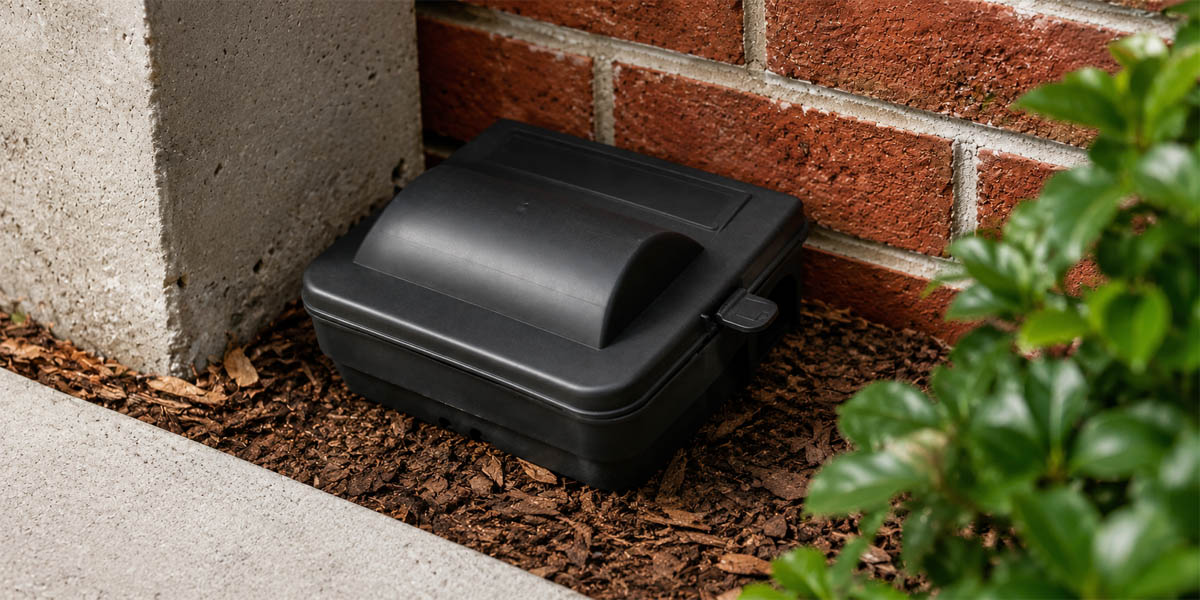
A rodent bait station is a tamper-resistant enclosure designed to hold rodent bait securely. It allows rats and mice to access the bait while preventing children, pets, and non-target animals from accidental exposure.
Unlike exposed bait placement, a rat bait station or mouse bait station provides a controlled environment where rodents feel safe enough to feed. As a result, you achieve higher bait consumption rates and more effective population control.
Furthermore, modern rodent control boxes help improve sanitation standards by keeping bait protected from moisture, dust, and environmental contamination.
Why Rodent Control Matters
Rodents reproduce rapidly. A small infestation can quickly become a major problem if not addressed promptly.
Rats and mice can:
- Damage electrical wiring
- Destroy insulation materials
- Contaminate food products
- Spread bacteria and viruses
- Damage packaging and stored goods
- Polluting a clean environment
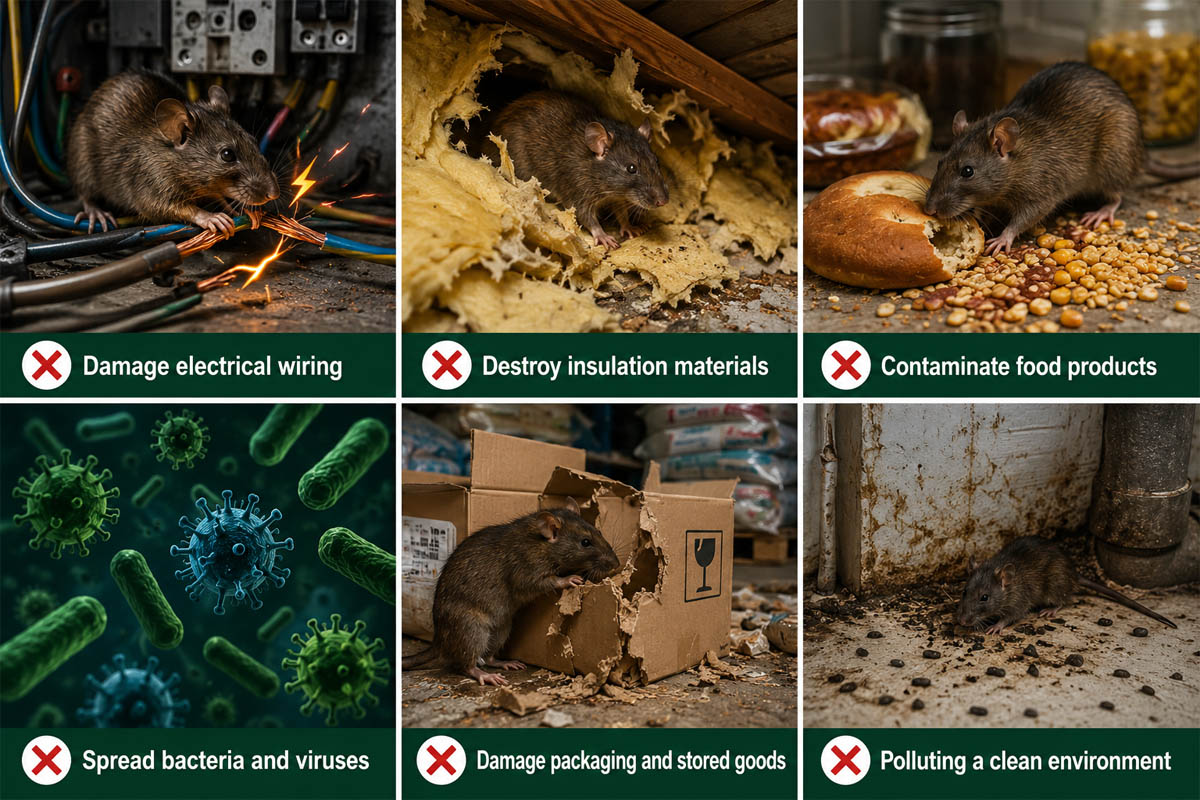
By implementing a professional rodent station, you actively reduce these risks and create a cleaner environment for employees, customers, and family members.
How a Rat Bait Station Works
A rat bait station is strategically placed along rodent pathways, walls, storage areas, and entry points.
The process is simple:
- You place bait inside the station.
- Rodents enter through specially designed openings.
- They consume the bait in a protected environment.
- The rodent population gradually decreases over time.
Because rodents naturally prefer enclosed spaces, a secure Rodent Bait Station often delivers better results than open bait placement.
Additionally, locking mechanisms help prevent unauthorized access, improving overall safety.
Mouse Bait Station vs Mouse Trap
Many users ask whether they should choose a mouse bait station or a mouse trap.
A mouse trap is typically used for immediate capture of individual rodents. It works well when you have identified a small infestation and need quick results.
A mouse bait station, however, is designed for continuous population management. It is particularly useful when dealing with larger infestations or ongoing rodent activity.
For comprehensive pest management, many professionals combine a mouse trap with a mouse bait station to maximize effectiveness.
Key Advantages of Rodent Bait Stations
Enhanced Safety:
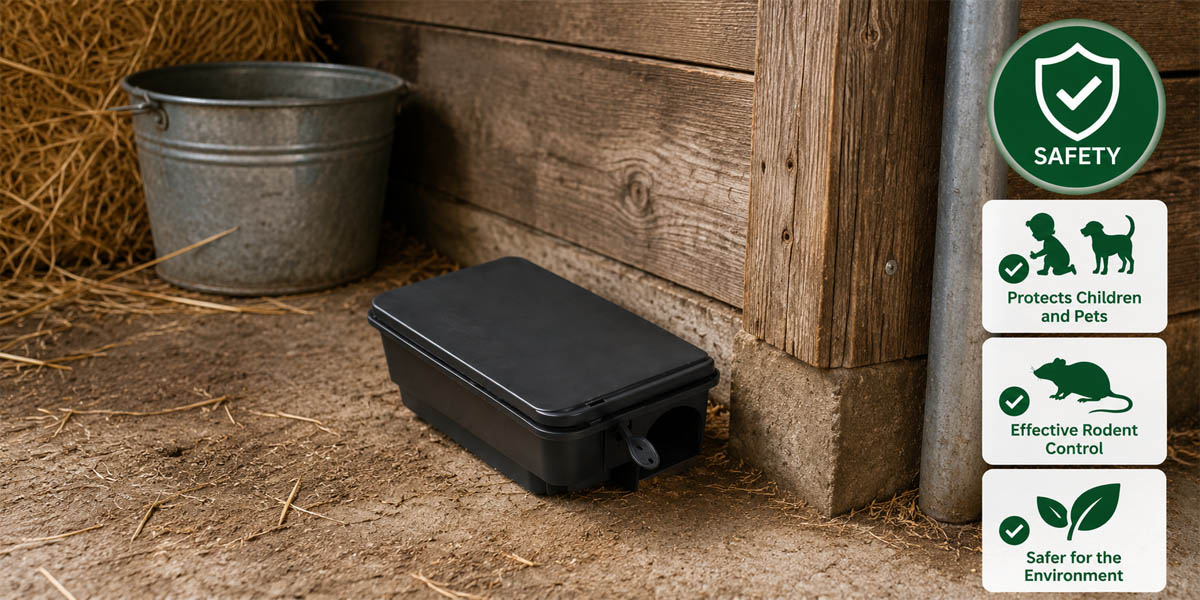
One of the biggest advantages of a Rodent Bait Station is safety.
The enclosed design prevents accidental contact with bait. This feature is especially important in:
- Schools
- Restaurants
- Warehouses
- Farms
- Public facilities
- Residential communities
Improved Bait Protection:
Weather conditions can significantly reduce bait effectiveness.
High-quality Rat Poison Boxes protect bait from:
- Rain
- Moisture
- Sunlight
- Dust
- Debris
As a result, bait remains fresh and attractive to rodents for longer periods.
Better Rodent Acceptance:
Rodents prefer feeding in dark, enclosed environments.
A professionally designed rodent station creates a secure feeding area that encourages consistent bait consumption and improves control efficiency.
Cost-Effective Pest Management:
Because bait remains protected and effective longer, you reduce waste and lower maintenance costs over time.
Materials Used in High-Quality Rodent Control Boxes
At Paiste, durability is a priority.
Premium rodent control boxes are typically manufactured from high-impact polypropylene (PP) or heavy-duty polyethylene (HDPE).
These materials provide:
- Excellent weather resistance
- UV resistance
- Impact resistance
- Long service life
- Chemical resistance
Additionally, reinforced locking systems help ensure long-term security in demanding environments.
Common Applications of Rodent Stations
A Rodent Bait Station can be used in a wide variety of settings.
Commercial Facilities:
Restaurants, supermarkets, hotels, and retail stores use rat bait stations to maintain hygiene standards and comply with pest management regulations.
Industrial Sites:
Factories and warehouses rely on Rodent Control Boxes to protect inventory, equipment, and infrastructure from rodent damage.
Agricultural Operations:
Farms, grain storage facilities, and livestock operations often install multiple rodent stations around buildings and storage areas to prevent rodent infestations.
Residential Communities:
Property managers and homeowners use mouse bait stations and Rat Poison Boxes to create safer living environments and reduce pest activity around homes.
Public Infrastructure:
Airports, railway stations, parks, schools, and municipal facilities frequently deploy professional rodent control systems to protect public health.
How Rodent Bait Stations Improve Environmental Quality
Effective rodent control contributes directly to environmental cleanliness.
When you install a professional Rodent Bait Station system, you help:
- Reduce disease transmission
- Prevent food contamination
- Protect wildlife from exposed bait
- Maintain cleaner surroundings
- Reduce property damage
- Improve sanitation standards
Moreover, enclosed Rat Poison Boxes minimize bait scattering and environmental exposure, supporting more responsible pest management practices.
Choosing the Right Rodent Station Supplier
Selecting the right rodent station supplier is critical for long-term performance.
When evaluating suppliers, consider:
- Material quality
- Locking security
- Weather resistance
- OEM and ODM capabilities
- Production capacity
- International certifications
- Export experience
A reliable supplier should provide consistent product quality and support your specific market requirements.
Why Choose Paiste
As a professional rodent station supplier, Paiste focuses on delivering durable, safe, and effective pest control products for global customers.
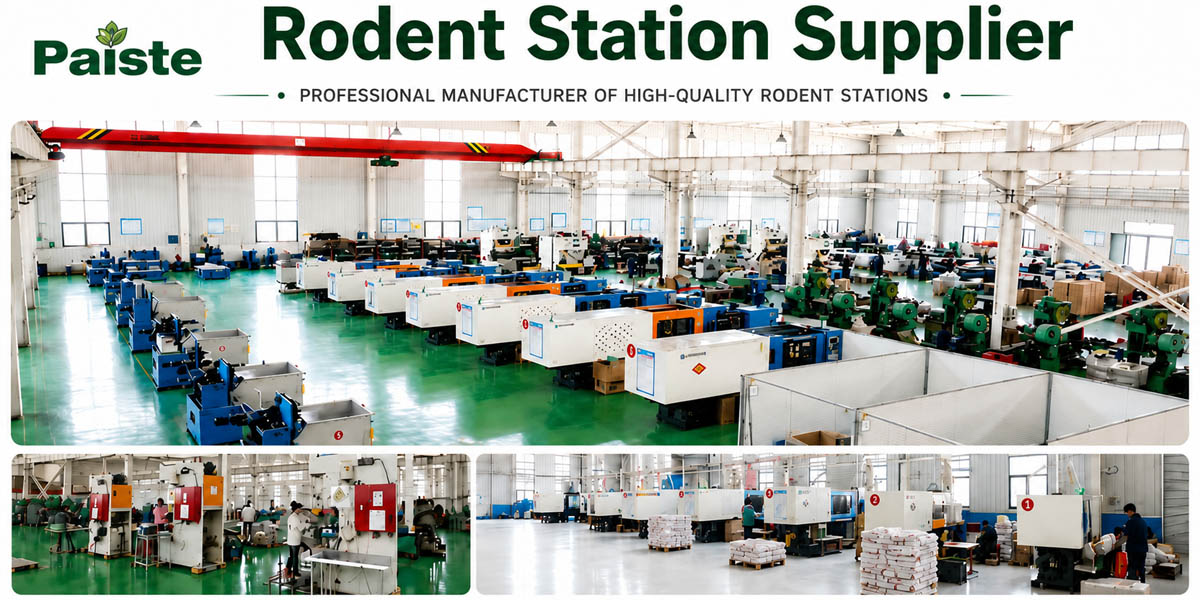
When you partner with Paiste, you benefit from:
- High-quality manufacturing standards
- Durable HDPE and PP materials
- Tamper-resistant designs
- OEM and ODM customization
- Competitive factory pricing
- Reliable global export support
- Consistent product performance
Whether you are a distributor, wholesaler, pest control company, or project contractor, Paiste helps you provide dependable rodent management solutions for your customers.
Conclusion
A professional Rodent Bait Station is one of the most effective tools available for modern pest management. By combining safety, durability, and efficiency, it helps you control rodent populations while protecting people, property, and the environment.
Whether you need a rat bait station, mouse bait station, Rodent Control Boxes, Rat Poison Boxes, or complementary mouse trap solutions, choosing high-quality products from an experienced rodent station supplier ensures long-term success.
With Paiste, you gain access to dependable rodent control products designed to support safer, cleaner, and more sustainable environments.
Frequently Asked Questions (FAQ)
1. What is a Rodent Bait Station?
A Rodent Bait Station is a secure enclosure designed to hold rodent bait safely. It allows rats and mice to access the bait while restricting access to children, pets, and non-target animals. You can use it to improve the safety and effectiveness of your rodent control program.
2. What is the difference between a rat bait station and a mouse bait station?
The main difference is size. A rat bait station is typically larger and designed to accommodate rats, while a mouse bait station features smaller entry points suitable for mice. Both products help you manage rodent infestations safely and efficiently.
3. Where should you place a rodent station?
You should place a rodent station along walls, near rodent pathways, behind equipment, around warehouses, farms, food storage areas, and building perimeters. Rodents naturally travel close to walls, so strategic placement improves bait consumption.
4. Are Rodent Bait Stations safe for children and pets?
Yes. High-quality Rodent Bait Stations feature tamper-resistant locking systems that help prevent unauthorized access. When used correctly, they provide a much safer alternative to exposed bait.
5. What materials are Rodent Control Boxes made from?
Most professional Rodent Control Boxes are manufactured from durable polypropylene (PP) or high-density polyethylene (HDPE). These materials offer excellent impact resistance, weather resistance, and long-term durability.
6. Can Rodent Bait Stations be used outdoors?
Yes. Many Rodent Bait Stations are specifically designed for outdoor use. Their weather-resistant construction protects bait from rain, sunlight, moisture, and dust, helping maintain bait effectiveness.
7. How often should you inspect a rodent station?
You should inspect the station regularly, especially during active infestations. Weekly inspections are recommended initially. Once rodent activity decreases, monthly inspections may be sufficient depending on site conditions.
8. What industries commonly use rodent stations?
Rodent stations are widely used in:
- Farms and agricultural facilities
- Food processing plants
- Warehouses and logistics centers
- Restaurants and hotels
- Schools and universities
- Hospitals and healthcare facilities
- Residential communities
9. Can Rodent Bait Stations improve environmental safety?
Yes. By containing bait within a secure enclosure, Rodent Bait Stations help prevent accidental bait exposure and reduce environmental contamination. They also support cleaner and more responsible pest management practices.
10. Why choose Paiste as your rodent station supplier?
Paiste provides durable, high-quality rodent control solutions backed by professional manufacturing experience. You benefit from:
- Premium HDPE and PP materials
- Tamper-resistant designs
- OEM & ODM services
- Competitive factory pricing
- Reliable global supply
- Strict quality control
- Fast delivery and export support
11. Do you offer OEM and ODM services?
Yes. Paiste offers complete OEM and ODM solutions. You can customize logos, colors, packaging, labels, and product specifications according to your market requirements.
12. What is the minimum order quantity (MOQ)?
MOQ requirements depend on the product model and customization needs. Please contact Paiste directly for detailed information and tailored quotations.
13. How long does production take?
Standard orders typically require 15–30 days depending on order quantity and production schedules. Customized projects may require additional time for mold development and approval.
14. Can you provide samples before bulk orders?
Yes. Paiste can provide samples for quality evaluation and testing before you place a large production order.
15. What certifications do your products comply with?
Paiste products can be manufactured according to relevant international quality standards and customer requirements. Please contact us for specific certification information related to your target market.
Need Professional Pest Control Solutions?
We supply high-quality pest control products for wholesalers, distributors, and pest control companies worldwide.