
Bird flu in Australia has made wild bird management an urgent biosecurity priority for poultry farms, livestock properties, food facilities and commercial buildings.
Australia confirmed its first detection of the globally circulating H5N1 highly pathogenic avian influenza strain in a wild migratory seabird in June 2026. By 11 August 2026, the Australian Government reported 236 confirmed H5 detections in wild birds, with no detections in poultry or the wider agricultural production system. The reported risk to human health remained low. Check the latest official Australian bird flu update.
Quick Answer: How Can You Reduce Wild Bird Access?
You cannot control where wild birds migrate, but you can make your property less attractive and harder to enter. Combine correctly installed bird netting, bird spikes and bird wire with protected feed and water, sanitation, regular inspections and current government biosecurity guidance.
Physical bird control does not treat or guarantee prevention of avian influenza. Instead, it helps you reduce wild bird entry, landing, roosting and nesting around selected areas.
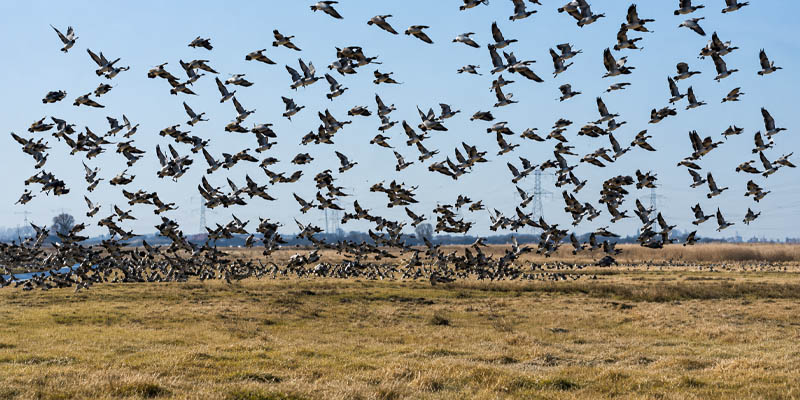
Physical bird control measures such as bird netting, bird spikes and bird wire, combined with good sanitation, protected feed and water, and regular monitoring, can help you reduce wild bird access and support a broader biosecurity strategy.
Why Is Bird Flu a Growing Concern in Australia?
Highly pathogenic avian influenza primarily affects birds. Wild birds can play an important role in moving avian influenza viruses between locations.
Australia first confirmed H5N1 clade 2.3.4.4b in a wild migratory seabird in Western Australia in June 2026. Since then, authorities have expanded surveillance as detections have been reported in wild birds across several states. Because the situation can change, you should use the Australian Government bird flu portal for the latest locations, detections and biosecurity advice.
For poultry producers in particular, wild bird contact deserves attention because infectious diseases such as bird flu can spread directly from wild birds to poultry.
Transmission can also occur indirectly through contaminated:
- Feed and water
- Clothing and footwear
- Equipment and tools
- Vehicles
- Surfaces and other materials
Therefore, effective bird management should not focus only on removing birds after they arrive. You should also reduce the food, water, shelter, nesting areas and convenient landing points that attract birds to your property.
Why Should You Reduce Wild Bird Access?
A farm or commercial building can unintentionally provide everything birds need.
Roofs offer resting areas. Eaves and beams provide shelter. Warehouses may provide nesting opportunities. Feed attracts birds to agricultural properties, while standing water gives them another reason to stay.
Once wild birds regularly occupy a property, you may also face additional problems such as:
- Bird droppings on buildings and equipment
- Contamination around feed and water
- Blocked gutters and drainage systems
- Nesting materials around structures
- Increased cleaning requirements
- Damage to property and equipment
- Unwanted bird activity around employees and customers
Therefore, reducing wild bird access can support both property management and farm biosecurity.
The most effective approach usually combines several physical and management methods rather than relying on one product.
1. Use Bird Netting to Block Access
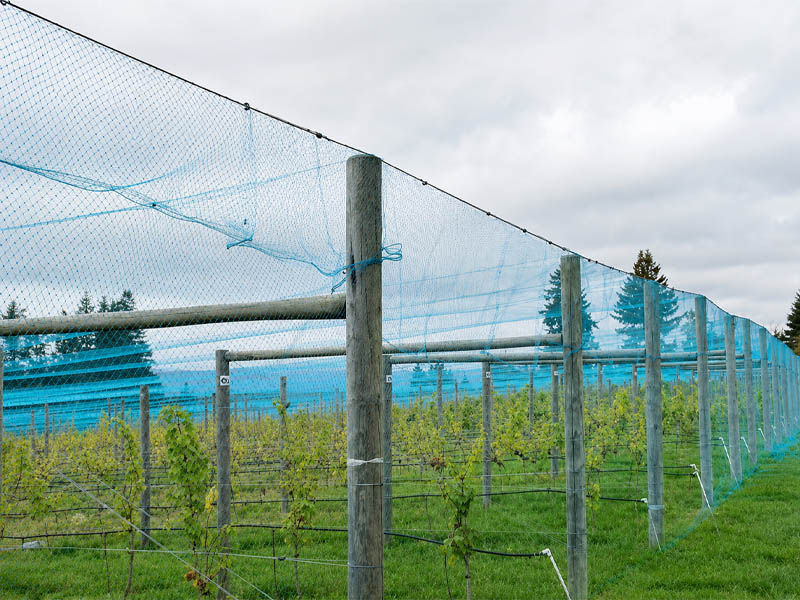
For areas where you need to prevent birds from entering an entire space, bird netting can provide an effective physical barrier.
You can install bird netting around or underneath suitable structures to restrict access to:
- Poultry sheds
- Livestock buildings
- Warehouses
- Loading areas
- Roof structures
- Building eaves
- Courtyards
- Storage areas
- Food processing facilities
- Agricultural structures
Unlike visual deterrents that attempt to discourage birds, correctly installed netting creates a physical exclusion zone.
This makes bird netting particularly useful when birds repeatedly enter covered or semi-enclosed spaces.
For farms, you can also use suitable netting as part of a broader strategy to reduce opportunities for wild birds to enter sensitive production areas.
However, always select the appropriate mesh size and installation system for the target bird species and building structure.
2. Install Bird Spikes on Common Landing Areas
Birds frequently land on narrow elevated surfaces before entering or nesting around a building.
Typical locations include:
Roof edges, parapets, beams, ledges, signs, pipes, fences, gutters and other structural surfaces.
Installing bird spikes on appropriate landing and roosting areas can make these surfaces difficult for birds to use comfortably.
Bird spikes are particularly suitable for commercial buildings because they provide a passive physical deterrent without requiring electricity, chemicals or continuous operation.
Depending on the application, you can choose different configurations, including:
- Stainless steel bird spikes
- Plastic-base stainless steel bird spikes
- Transparent PC-base bird spikes
- Wide or narrow bird spike systems
- Solar panel bird spikes
For example, transparent-base bird spikes may be useful where you want to reduce the visual impact of the installation on commercial buildings.
Stainless steel models can provide durable outdoor performance for industrial and agricultural applications.
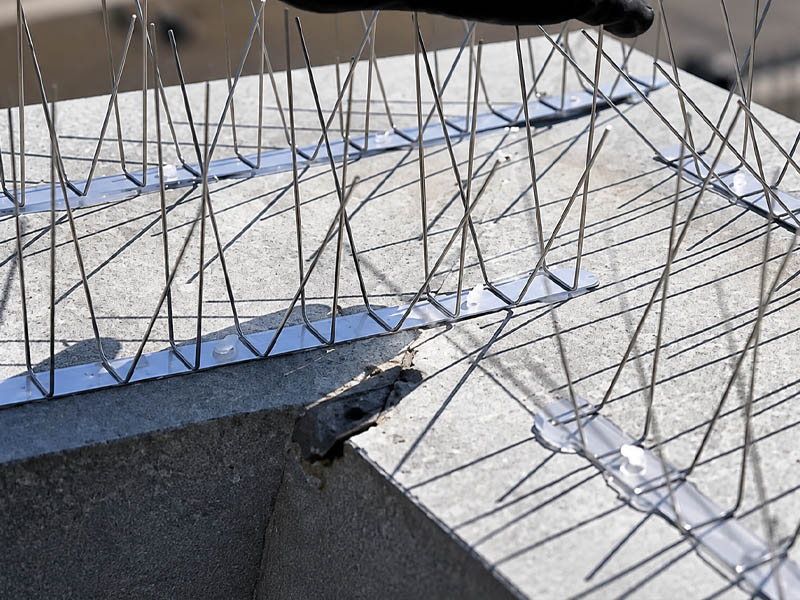
Most importantly, bird spikes should be viewed as roosting and landing deterrents, not as a treatment or guaranteed method of preventing avian influenza.
3. Use Bird Wire Where a Low-Profile System Is Needed
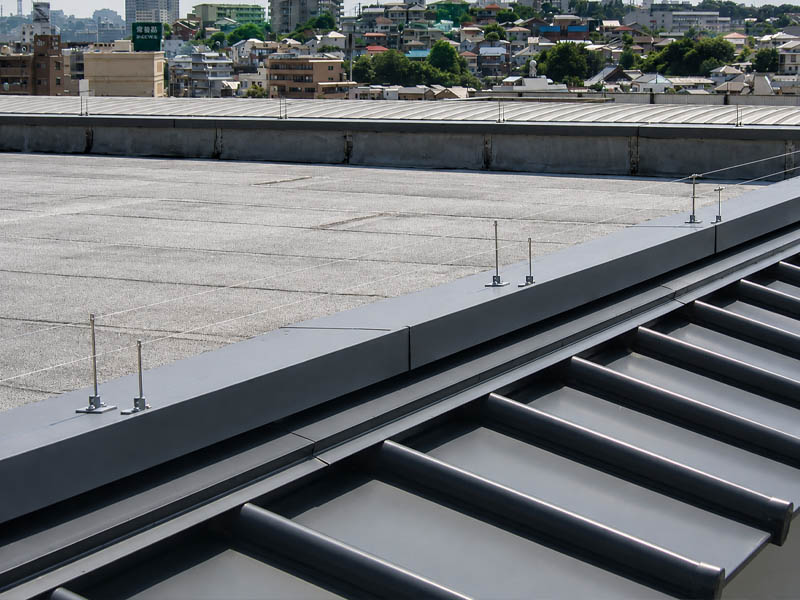
Some buildings require a less visually prominent solution.
In these situations, bird wire systems can help discourage birds from landing on ledges, parapets and other narrow surfaces.
A typical bird wire system uses tensioned stainless steel wire supported by posts and bases. The wire makes the landing surface less comfortable and stable for birds.
You can consider bird wire for:
- Commercial façades
- Hotels
- Restaurants
- Shopping centres
- Office buildings
- Architectural ledges
- Signs
- Public buildings
Because the system has a relatively discreet appearance, it can be particularly useful where aesthetics matter.
4. Protect Feed and Water Sources
Physical bird barriers work better when you remove the reasons birds visit your property.
For farms, feed and water management is especially important.
Wild birds may gather around exposed feed, spilled grain, open water, dams or poorly protected feeding areas.
Therefore, you should:
- Keep feed storage areas properly covered
- Protect feeding systems from wild bird access
- Clean spilled feed promptly
- Keep poultry drinking water protected
- Reduce unnecessary standing water
- Prevent wild birds from accessing poultry drinking areas
- Regularly inspect feed and water facilities
Australian poultry biosecurity guidance specifically emphasizes protecting feed from wild birds and rodents and cleaning feed spills promptly.
If you reduce easy access to food and water, your property becomes less attractive to wild birds.
5. Reduce Nesting and Roosting Opportunities
Bird control is easier when you act before a large bird population becomes established.
Walk around your property and identify areas where birds frequently land, sleep or build nests.
Pay particular attention to:
- Roof cavities
- Eaves
- Beams
- Rafters
- Canopies
- Loading docks
- Signs
- Gutters
- Air-conditioning equipment
- Solar panels
Once you identify these areas, choose an appropriate exclusion or deterrent method.
For example, you might use bird netting for large openings, bird spikes for ledges and roof edges, and bird wire for narrow architectural surfaces.
This targeted approach can be more effective than installing the same deterrent everywhere.
6. Protect Solar Panels and Rooftop Equipment
Solar panels can create sheltered spaces where pigeons and other birds may rest or nest.
This can result in droppings, feathers and nesting materials accumulating underneath or around the panels.
For farms, warehouses, shopping centres and commercial buildings with rooftop solar systems, you can use suitable solar panel bird spikes to restrict bird access underneath the panels.
You can also protect nearby roof edges and landing points with appropriate bird deterrents.
The goal is simple: remove convenient shelter and reduce the number of attractive roosting areas around the roof.
7. Maintain Strong Cleaning and Biosecurity Practices
Bird control products should support your biosecurity program, not replace it.
You should regularly remove feed spills, clean equipment, manage waste and inspect buildings for signs of bird activity.
On farms, you should also control the movement of people, vehicles and equipment into sensitive areas and follow appropriate cleaning and disinfection procedures.
If you find sick or dead wild birds in Australia, do not touch them or let pets approach them. Record the location and, if it is safe, take photos or video. Report multiple sick or dead birds to the 24-hour Emergency Animal Disease Hotline on 1800 675 888 and follow the official reporting guidance.
Create a Multi-Layer Wild Bird Management Strategy
No single bird control product is suitable for every property.
For better results, you should first identify:
Which birds are causing the problem? Where are they entering? Where are they landing? What attracts them? Where are the highest-risk areas?
Then you can build a layered solution.
For example:
Bird Netting → Block entry into large or sensitive areas
Bird Spikes → Reduce landing and roosting on ledges and structures
Bird Wire → Protect narrow architectural surfaces discreetly
Solar Panel Protection → Restrict nesting underneath solar arrays
Feed & Water Management → Remove major bird attractants
Cleaning & Monitoring → Identify new activity before it becomes established
This integrated approach can help you reduce wild bird presence without relying on harmful control methods.
Bird Control Is One Part of Biosecurity
It is important to understand what physical bird control products can and cannot do.
Bird spikes, bird netting and bird wire do not treat, kill or guarantee prevention of avian influenza.
Instead, these products help you reduce wild bird access, landing, roosting and nesting in selected areas.
When you combine physical exclusion with feed management, water protection, cleaning, disinfection, monitoring and other recommended biosecurity practices, you can create a more comprehensive barrier between wild birds and sensitive areas.
For poultry farms, you should always follow the latest Australian federal, state and territory biosecurity requirements and professional veterinary advice.
Frequently Asked Questions About Bird Flu and Wild Bird Control
Can bird spikes or bird netting prevent bird flu?
No physical bird control product can guarantee prevention of bird flu. Bird spikes, bird netting and bird wire help you reduce wild bird access, landing, roosting and nesting. You should use them as part of a broader biosecurity program that includes protected feed and water, cleaning, disinfection and monitoring.
What is the best bird control method for a poultry farm?
The best method depends on the building and the bird activity. Use netting to block large openings, spikes on ledges and roof edges, and bird wire where you need a discreet landing deterrent. Start with a site inspection and protect the highest-risk areas first.
What should you do if you find sick or dead wild birds in Australia?
Do not touch the birds or allow pets near them. Record the location, take photos or video if it is safe, and report multiple sick or dead birds to the Emergency Animal Disease Hotline on 1800 675 888.
Are bird spikes harmful to birds?
Correctly selected and installed bird spikes are passive landing and roosting deterrents. They are designed to make a surface difficult to use rather than trap or kill birds. Choose the correct width and configuration, cover the complete landing surface and inspect the installation regularly.
Choose Paiste for Professional Bird Control Products
If you are a pest control distributor, wholesaler, importer, farm supply company or professional bird control installer, increasing attention to wild bird management means your customers may need a wider range of physical exclusion solutions.
Paiste supplies professional bird control products for agricultural, industrial and commercial applications.
Our product range includes stainless steel bird spikes, PC-base bird spikes, bird netting, bird wire systems, solar panel bird spikes and related installation accessories.
With different materials, sizes and configurations available, you can select suitable products for farms, warehouses, factories, shopping centres, restaurants, food facilities, solar installations and other commercial properties.
We also support OEM/ODM manufacturing, customized packaging and bulk supply for distributors and professional pest control companies.
As Australia strengthens awareness around wild bird contact and farm biosecurity, physical bird exclusion can become an important part of responsible property management.
By choosing the right combination of bird netting, bird spikes, bird wire and other physical bird deterrents, you can help your customers reduce unwanted wild bird access while supporting cleaner and better-managed agricultural and commercial environments.
Paiste provides reliable bird control solutions for distributors and professional pest control businesses serving the Australian market.
Need Professional Pest Control Solutions?
We supply high-quality pest control products for wholesalers, distributors, and pest control companies worldwide.