
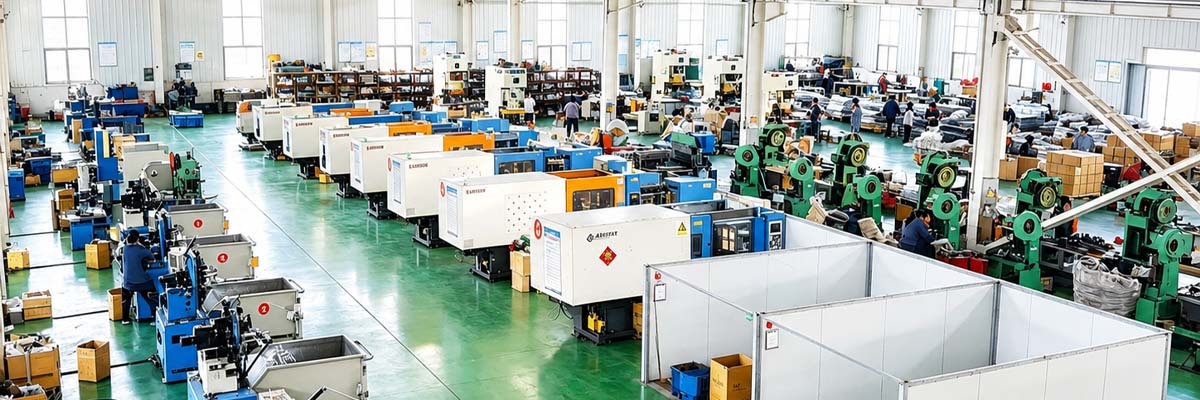
Choosing the right insect trap manufacturer is one of the most important buying decisions you will make for your pest control range. The factory behind your products affects your cost, quality, delivery time, brand reputation, and repeat sales. However, you do not need to become a production expert. You just need a practical system for checking a factory before you place a bulk order.
Paiste is a professional insect trap manufacturer, supplier, and wholesaler. We make insect control products for distributors, large supermarkets, and pest control companies in overseas markets. In this guide, we show you how to assess a factory like a professional buyer. Use the steps below to protect your first order, build your own brand, and avoid expensive mistakes later.
What Should a Professional Insect Trap Manufacturer Prove First?
Before you compare unit prices, find out who you are really working with. A catalog is easy to copy, but real manufacturing is harder to fake. Start with these checks.
- Ask for a production-floor video call. A real insect trap manufacturer can show you injection molding, assembly, packing, and storage areas. You do not need a long tour; a short live look tells you a lot.
- Ask about molds and tooling. Mold condition affects the shape, fit, and consistency of plastic traps. You want a factory that maintains its molds instead of squeezing extra output from worn tooling.
- Ask for material and specification details. Outdoor fly traps and wasp traps should use weather-resistant plastic that can handle sunlight, rain, and heat. Ask about wall thickness, UV resistance, and expected service life.
- Ask which production steps are done in-house. Many insect trap manufacturers also buy simple parts, and that is normal. However, you should know which steps the factory controls and which steps come from other suppliers.
- Notice how the supplier answers your questions. A strong manufacturer explains delivery time, minimum order quantities, packaging, and inspection procedures without vague promises.
As you collect answers, write down the facts. Next, compare these facts with the product range that makes sense for your customers.
Build a Product Plan That Fits Your Sales Channel
Insect traps are not one product. They are a family of products for different insects, places, and buying habits. Therefore, a good manufacturer should help you turn this range into a workable plan.
- For distributors, choose a balanced range you can sell through multiple channels. You can start with reusable fly traps, wasp traps, and cockroach traps that give you broad coverage without too many stock-keeping units.
- For large supermarkets, think about shelf-ready products. You need clear labels, practical packaging, barcodes, and traps that look good on a hook or shelf. Disposable fly trap bags and hanging fly traps fit seasonal garden and outdoor sections well.
- For pest control companies, performance matters more than pretty packaging. They look for reliable traps they can place, monitor, and replace during service visits.
- For warehouse and retail buyers, moth sticky traps give you a simple monitoring and control product for textile, food, and storage environments.
If you work in the insect trap wholesale market, ask how the manufacturer handles mixed product orders. A flexible factory lets you test several models before you commit to large quantities of one design.
Test Samples Like a Professional Buyer
Never approve a product from photos alone. A sample is your best protection before you spend money on a full production run.
- Order several units of each model, not just one. One sample can hide small problems. Five or ten units give you a much clearer picture.
- Check the basic build quality. Look at plastic thickness, seams, sharp edges, hanger strength, bait opening, sticky surface, and how firmly the parts lock together.
- Test each trap in a realistic place. Hang a fly trap outside, set a wasp trap near an active outdoor area, or place a cockroach trap along a wall and inspect it after a few days.
- Simulate transport. Drop the carton from a small height and check whether traps crack, separate, or arrive too damaged to sell.
- Ask for a technical sheet. Request material, net weight, carton size, pack quantity, and simple usage instructions. Save this information for your own listing or product description later.
After the sample test, compare your notes with the manufacturer’s claims. If the sample is good, continue with a small pilot order. Do not jump straight to a huge bulk quantity before you know how the factory performs on a real order.
Look for Batch Quality Control
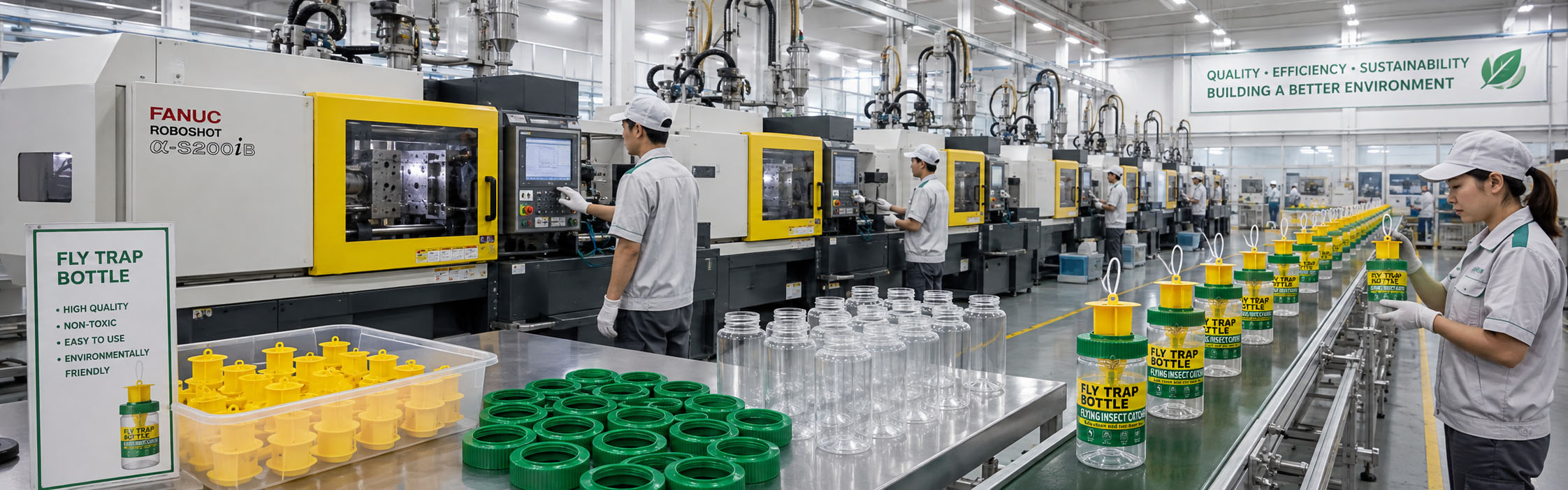
Sample quality is not batch quality. A small, carefully made sample does not guarantee that a full order will match. Therefore, ask how the factory controls every stage of production.
- Check raw material control. Ask who supplies the material and whether the factory inspects incoming batches before production starts.
- Check in-process inspection. Ask whether workers measure key dimensions, check adhesive quality, and test assembly during the production line.
- Check pre-shipment inspection. Ask whether the factory tests random finished units and checks carton condition before shipping. Request photos or reports when your order is ready.
- Ask what happens if a defect appears. A professional supplier should offer a clear replacement or compensation process, not just an apology.
- Ask about batch traceability. A good insect trap manufacturer should be able to connect a product batch to production records, materials, and inspection results.
These controls protect your customers and your brand. You cannot see every trap inside a container, but you can reduce risk by working with a factory that checks its own work.
Plan Labels, Packaging, and Compliance Early
Insect trap markets have different expectations for safety, language, and packaging. Therefore, tell your supplier where you plan to sell before production begins.
Ask the factory to prepare product labels, usage instructions, carton markings, and safety information in the language your market understands. If a product includes bait or an attractant, confirm whether warning statements or local requirements apply. Some markets also ask for test reports, declarations, or certificates. A responsible manufacturer will tell you which documents it can provide and which requirements you must confirm with your own regulations.
Also request carton data early, including pack quantity, carton size, gross weight, and pallet configuration. These details affect freight cost, warehouse planning, and shelf display. You want to know them before you negotiate the wholesale price.
Turn Factory Capability into Your Own Brand
Many overseas buyers choose an insect trap manufacturer because they want to build their own brand. You can start with OEM and move toward ODM later.
Use OEM when you want to keep an existing product design but add your own logo, color, label, or packaging. Use ODM when you need a new size, shape, bait access design, or special feature for your market. First, decide how much you want to change. After that, ask for clear artwork and a pre-production sample before the factory starts the full order.
- Confirm every brand detail before production, including logo placement, product color, inner bag, instruction card, barcode, and carton printing.
- Ask for a digital mockup or sample so you can check how the label looks on the actual product.
- Check whether your private label changes performance. A different color, shape, or opening can affect how insects enter the trap.
- Keep a written specification for repeat orders. Consistent packaging and product quality help customers recognize your brand later.
Negotiate Wholesale Terms Around Your Business
The best supplier is not always the one with the lowest unit price. You also need terms that fit your sales cycle, cash flow, and warehouse space.
- Minimum order quantity. Ask whether you can start with mixed models or smaller pilot quantities before you commit to a large MOQ.
- Lead time. Confirm how long production takes and what changes during peak season.
- Payment terms. Understand what the factory expects and what protection you need for your first order.
- Shipping terms. Compare EXW, FOB, and other arrangements carefully. Also ask for packing details so your freight forwarder can plan correctly.
- Replacement policy. Agree in advance on how defective units are handled after arrival.
Remember that the cheapest offer may become expensive after freight, inspection, complaints, and delivery delays. A clear, honest price with reliable service often protects your margin better in the long run.
Why Paiste Works as Your Insect Trap Manufacturer
At Paiste, we support overseas distributors, large supermarkets, and pest control companies with insect traps made for real retail and professional use. We manufacture fly traps, wasp traps, cockroach traps, moth sticky traps, and related insect control products.
Our team also provides OEM, ODM, private label, custom packaging, and insect trap wholesale supply. We do not treat every order as a one-time shipment. Instead, we help you choose sensible stock-keeping units, test samples, confirm specifications, inspect batches, and build a repeatable product range for your market.
Quick Factory Checklist Before Your First Insect Trap Order
- Confirm that the company performs real manufacturing and can show its production process.
- Request detailed specifications, including materials, sizes, and carton data.
- Order multiple samples and check every part of each product.
- Test the carton through rough handling before you commit to bulk shipping.
- Review the factory’s batch quality control and defect policy.
- Confirm labels, language, packaging, and compliance documents for your market.
- Decide which OEM, ODM, or private label services you need.
- Agree on MOQ, lead time, payment terms, and replacement rules in writing.
- Keep clear records of every specification and email conversation.
- Start with a pilot order so you can learn how the factory performs before you scale up.
Frequently Asked Questions
How can I tell if a company is a genuine insect trap manufacturer?
Ask for a live factory tour or production video, mold and material details, and quality control records. A genuine manufacturer can show you its own production process and explain how it controls batch quality.
How many samples should I request from an insect trap manufacturer?
Order several units of each model instead of one sample. This helps you check consistency, transport damage, and assembly quality before you invest in a full production run.
Can Paiste make private-label insect traps for my market?
Yes. Paiste supports OEM, ODM, private labels, and custom packaging for distributors, supermarkets, and pest control companies. Contact us with your target market and product plan, and we can discuss a practical starting range for you.
Need Professional Pest Control Solutions?
We supply high-quality pest control products for wholesalers, distributors, and pest control companies worldwide.