
When you source insect control products for distribution, supermarkets, pest control services or commercial projects, you need a range that matches your customers’ actual pest problems. You also need consistent specifications, practical instructions and dependable replenishment.
This guide helps you compare trap types, choose products for different environments and prepare a clear wholesale inquiry. You will also find examples from Paiste’s insect control range to make product selection easier.
Quick Answer: Which Insect Control Products Should You Choose?
Choose insect control products by target pest, installation environment and maintenance needs. Use baited fly traps for suitable outdoor fly problems, yellow sticky cards for monitoring small flying pests, and dedicated wasp traps for seasonal outdoor use. Choose cockroach monitors for crawling insect activity and species-matched moth traps for storage areas. Horsefly traps serve equestrian and livestock applications, while electric insect devices require a separate assessment of their intended use. For wholesale orders, compare materials, attractant inclusion, packaging, replacement supplies and quality documentation. Build your range around your customers’ needs, then confirm samples and specifications before ordering in bulk.
What Are Insect Control Products?
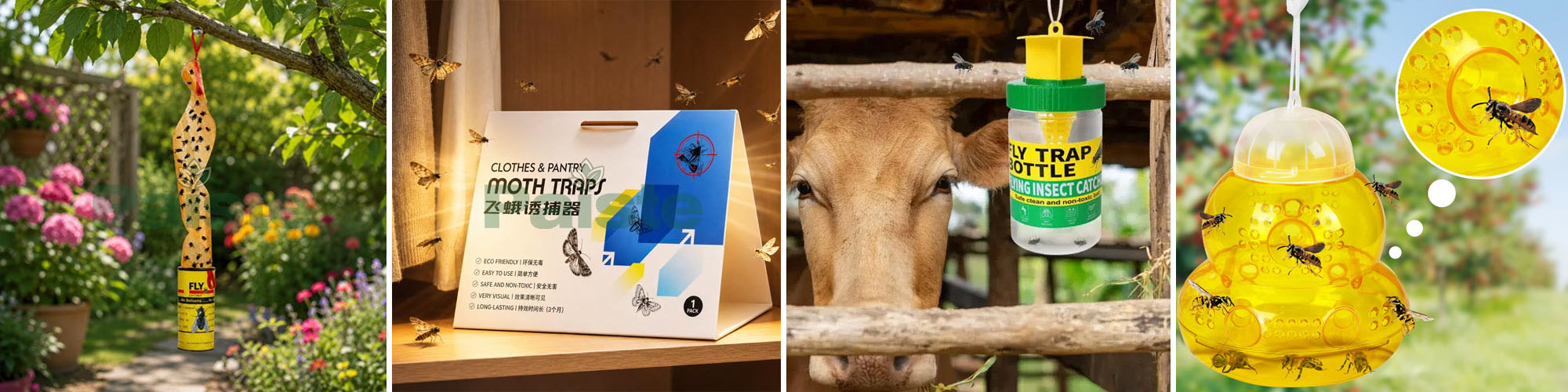
Insect control products help you monitor, attract, capture or manage unwanted insects. This guide focuses on traps and physical capture devices you can source for resale or professional use.
Different products use different mechanisms: bait attracts insects into a container; adhesive retains insects after contact; and some devices combine light attraction with a collection chamber or electric grid. A trap’s purpose may be monitoring, population reduction or both. Therefore, you should confirm the intended use before making performance claims to your customers.
Explore Paiste’s insect control products to compare the available designs.
Insect Control Products Comparison: Pest, Application and Buying Checks
| Product type | Target or purpose | Typical application | What you should confirm |
|---|---|---|---|
| Reusable baited fly trap | Suitable nuisance flies | Outdoor farm, garden and waste-management areas | Attractant compatibility, refill supply, cleaning and closure |
| Disposable fly trap | Suitable nuisance flies | Seasonal outdoor retail use | Bait inclusion, activation instructions and disposal guidance |
| Yellow sticky trap | Monitoring small flying pests | Greenhouses, nurseries and growing areas | Target species, adhesive, size and replacement needs |
| Wasp trap | Target wasps or yellowjackets | Suitable outdoor locations | Species, lure, placement and servicing instructions |
| Horsefly trap | Target horseflies | Stables, paddocks and livestock facilities | Assembly, anchoring, collection access and packed dimensions |
| Cockroach sticky trap | Monitoring crawling insect activity | Sheltered indoor inspection points | Folded dimensions, lure inclusion and moisture limitations |
| Moth trap | Monitoring the moth species matched to the lure | Relevant food-storage or textile environments | Exact target species, lure inclusion and shelf life |
| Electric insect device | Flying insects within its stated scope | Locations permitted by the model instructions | Capture mechanism, power supply, cleaning and replacement parts |
Use this table to shortlist products. Your final choice should reflect the specific model, local pest species and conditions at the installation site.
Main Types of Insect Control Products You Can Source
1. Reusable and Disposable Fly Traps


For outdoor fly management, you can offer reusable bottles alongside disposable bags. Baited bottle traps attract suitable flies into a chamber through an entrance that makes escape difficult. However, the trap housing and the attractant are separate purchasing considerations: always confirm whether bait comes with your order.
You can compare Paiste’s GKFT-9 fly trap bottle and GKFT-8 fly bait trap bag for your reusable range. Paiste also lists disposable fly trap bags within its insect control catalog.
Choose reusable designs when your customers can empty, clean and refill the trap. Choose disposable options when simple replacement matters more than keeping the housing. For either format, provide clear placement instructions; an odor-producing outdoor lure should not automatically be promoted for indoor kitchens or dining tables.
2. Yellow Sticky Traps

Yellow sticky traps combine a colored surface with adhesive to capture insects that contact it. You can offer them to greenhouse, nursery and horticultural buyers who need practical monitoring supplies.
Paiste’s GKFT-6 yellow sticky traps provide a starting point for this category. Confirm the target pests and trial the product in the intended growing environment before making broad effectiveness claims.
For professional customers, explain how to record trap location, inspection date and catches consistently. Replace cards when adhesive condition or accumulated debris prevents useful monitoring. Avoid presenting sticky cards alone as a complete solution for an established crop infestation.
3. Wasp and Yellowjacket Traps
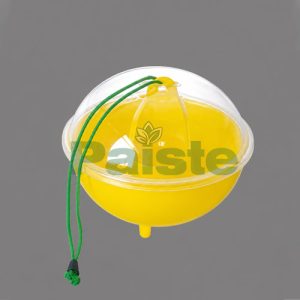
Wasp traps can complement a seasonal range for garden centers, outdoor retailers and pest control companies. Their suitability depends on the target species, attractant and installation conditions.
The GKWT-3 yellow wasp ball trap is one option to discuss with Paiste. Before selecting your retail pack, confirm what is included and how users should activate, inspect and service it.
Give your customers model-specific placement guidance. Do not present a trap as a guaranteed way to remove an active nest, and avoid claims that it attracts every wasp species or never captures non-target insects.
4. Horsefly Traps

Horsefly traps serve a different application from ordinary baited fly bottles. They use a dedicated visual attraction and collection structure, making them a separate category for equestrian and livestock buyers.
You can review Paiste’s GKFT-21 horsefly trap when building a farm product range. For purchasing, check assembly instructions, anchoring requirements, collection access and replacement components.
Packed dimensions also matter. A larger assembled product may require a different carton and freight plan from compact retail traps. Ask for the shipping configuration before comparing landed costs.
5. Cockroach Monitoring Traps

Cockroach sticky traps help your customers locate and monitor crawling insect activity. They are useful inspection tools for pest control teams serving restaurants, hotels, warehouses and other commercial properties.
Paiste offers the GKAT-2 cockroach trap. When you request a sample, confirm the actual material, folded structure, adhesive and attractant supplied with the selected version.
Your customers should place monitors in suitable sheltered inspection points, identify each location and compare findings over time. Trapping results can guide further investigation, cleaning and treatment decisions. Avoid selling a monitoring trap as a guaranteed stand-alone solution for a heavy infestation.
6. Moth Sticky and Pheromone Traps

You should specify moth traps by the exact target species. A lure intended for one stored-product moth should not automatically be sold for clothes moths or every insect found in a warehouse.
When reviewing Paiste’s moth sticky trap, ask which lure comes with the order, which species it targets and what storage conditions it requires. Confirm the product code on the quotation and approved packaging as well.
For retail and professional packs, include the target pest, installation method, replacement guidance and shelf-life information. Clear labeling helps your customers choose the correct product and interpret monitoring results.
7. Electric Insect Control Devices

Electric insect devices differ in both attraction and capture mechanism. Before you order, establish whether a model uses an electric grid, adhesive board, fan or collection chamber.
Paiste’s GKEP-3 indoor electric bug zapper is one model you can assess for a suitable indoor range. Confirm its power supply, plug configuration, installation instructions and replacement-part availability.
For food-related premises, the buyer should check the facility’s hygiene requirements and the device’s intended installation location. Do not assume that every light-based insect device is interchangeable or suitable above exposed food.
How Do You Choose Insect Control Products for Your Market?
Choose your range in this order: target pest → installation environment → capture method → servicing needs → sales channel. This sequence helps you compare products that solve the same problem before considering unit price.
For example, a farm distributor may need an outdoor fly bottle and a dedicated horsefly trap. A pest control contractor serving restaurants may need cockroach monitors and an appropriate indoor flying-insect device. These buyers need different products even when both describe their requirement as “commercial insect control.”
Example: A Focused Starter Range for a Distributor
The following is an illustrative assortment, not a performance ranking or a fixed order recommendation. Use it to start a sample discussion with Paiste.
| Buyer need | Paiste product to assess | Sample approval question |
|---|---|---|
| Reusable outdoor fly trapping | GKFT-17 fly trap bottle | Can your customer refill, close and clean it conveniently? |
| Greenhouse insect monitoring | GKFT-6 yellow sticky trap | Does the selected size and adhesive suit the monitoring task? |
| Seasonal garden wasp range | GKWT-3 wasp ball trap | Does the pack specify the target pest and required attractant? |
| Professional crawling-insect monitoring | GKAT-2 cockroach trap | Can technicians inspect and replace it at the intended location? |
Add a horsefly trap when you serve equestrian customers, or a species-matched moth trap when you serve relevant storage facilities. This gives each additional SKU a clear job in your catalog.
Build Your Product Range Around Your Buyers
Your sales channel affects packaging, service expectations and repeat-order planning. Use these priorities to develop a focused range.
| Your customer group | Practical range to assess | Purchasing priority |
|---|---|---|
| Distributors and importers | Complementary fly, wasp, sticky and monitoring traps | Consistent SKUs, mixed-order planning and replenishment |
| Supermarkets and retail chains | Easy-to-explain seasonal and household trap formats | Clear instructions, barcodes, retail packs and shelf presentation |
| Pest control companies | Monitoring traps plus application-specific capture devices | Fast inspection, batch consistency and consumable availability |
| Agricultural and equestrian suppliers | Fly traps, sticky cards and dedicated horsefly traps | Field suitability, maintenance and seasonal supply |
| Commercial project buyers | Products selected for each zone and pest | Location plans, service access and documented specifications |
Start with the products your customers can use and support. Then expand your catalog after checking sample feedback, returns and repeat demand.
How Should Your Customers Install and Maintain Insect Traps?

Good instructions make your product easier to use and help reduce avoidable complaints. Include these steps in your customer support materials, adapted to the selected model.
- Identify the pest and location. Confirm what the customer wants to monitor or capture, and whether the device is intended for indoor or outdoor use.
- Check the supplied components. Verify the trap, hanger, lure, adhesive insert or power components against the instructions.
- Position the trap correctly. Follow model-specific guidance for placement, mounting and clearance. Keep servicing access practical.
- Record the installation. For professional sites, number the trap and record its location and installation date.
- Inspect according to conditions. Check catches, damage, bait condition, adhesive contamination and power operation where applicable.
- Service or replace as instructed. Clean reusable housings, replace consumables and dispose of used traps according to the product guidance and site procedures.
There is no universal replacement interval for every insect trap. Temperature, dust, rainfall, catches and the condition of the lure or adhesive can affect servicing needs. Use the selected product’s instructions as your starting point.
Disposable vs Reusable Traps: Compare the Full Service Cost
Disposable traps can simplify replacement. Reusable traps allow the housing to remain in service, but they require cleaning and compatible refills.
For a fair comparison, calculate the cost over the same service period:
Total service cost = initial trap cost + replacements or refills + servicing labor + disposal costs.
For import purchasing, also compare freight, packaging and damage risk. A lower unit price does not always produce the lowest cost for your customer. Ask how the product will be maintained before deciding which format to stock.
What Should You Check Before Ordering Insect Control Products Wholesale?

Approve the Product Specification and Sample
Confirm the model, dimensions, material, components, intended environment and packaging. Keep an approved sample or agreed reference for repeat orders. If the website, quotation and sample contain different details, resolve them before production.
Confirm Attractants and Replacement Supplies
Ask whether the quote covers the housing only or a complete ready-to-use pack. For lures and adhesives, confirm storage instructions, shelf life and replacement availability. This helps you avoid selling a reusable system without a practical refill supply.
Agree on Quality Checks
Select checks that match the product: assembly and closure fit for bottle traps, adhesive condition for sticky traps, and relevant functional checks for powered devices. Agree on inspection criteria and request documentation for the exact model you intend to purchase.
Match Packaging to Your Market
Specify bulk or retail packaging, pack quantity, language, artwork, barcode and carton requirements. For private-label orders, review the instructions alongside the packaging design so the product claims and supplied components match.
Review Documentation for the Selected Product
Ask Paiste about available product specifications and quality test reports. Confirm that any report covers the exact model, configuration and claimed standard. Electrical devices, attractants and simple trap housings may need different documentation; do not assume one document covers the entire catalog or every destination market.
Confirm MOQ, Lead Time and Reorder Planning
Request the minimum order quantity by SKU, customization requirements, sample timing, production lead time and shipping terms. Share your required arrival date and seasonal forecast early. Agree on repeat-order specifications so your next shipment matches the product your customers already know.
For a more detailed supplier assessment, use our insect trap manufacturer factory checklist.
A Practical Specification Template for Your RFQ
Copy these fields into your request for quotation so you can compare offers on the same basis:
- Destination and sales channel: country, distributor, retail chain or professional service.
- Pest and environment: target insect, indoor or outdoor use, and site conditions.
- Product and quantity: model, units per SKU and expected reorder volume.
- Included components: housing, lure, adhesive insert, hanger, power supply or spare parts.
- Branding and packaging: logo, language, barcode, retail pack and carton quantity.
- Quality requirements: approved sample, inspection criteria and model-specific documents.
- Delivery requirements: required arrival date, shipment destination and quotation terms.
A complete specification makes it easier to spot differences between an empty trap, a ready-to-use retail pack and a refill bundle.
How Do Insect Traps Support Integrated Pest Management?
Insect traps work best within a broader pest management plan. Your customers still need to identify pests, investigate sources, improve sanitation and address access or breeding conditions where relevant.
Monitoring traps help document activity. Capture devices may support reduction of suitable target insects. However, trap catches alone do not prove that an entire site is pest-free. When you explain both the product’s purpose and its limits, professional buyers can integrate it more effectively into their service plans.
Why Source Insect Control Products from Paiste?
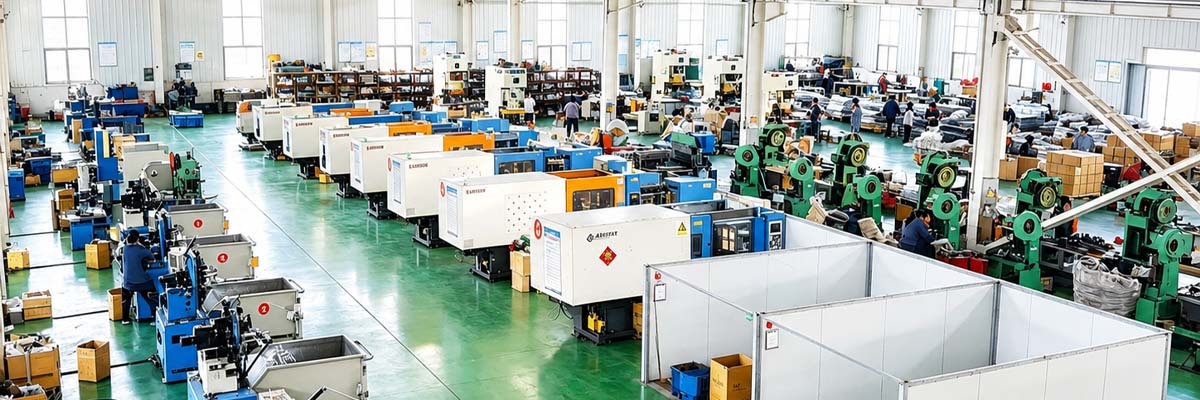
Paiste is a China-based pest control products manufacturer and wholesale supplier serving international distributors, importers, supermarkets, pest control companies and project buyers. Learn more about Paiste’s manufacturing and supply capabilities.
You can discuss several insect-control categories with one team, including fly traps, wasp traps, sticky traps, cockroach monitors, moth traps and selected electric devices. This helps you coordinate product selection, packaging and order requirements across your range.
For your own brand, Paiste supports OEM/ODM discussions covering suitable product modifications, branding and packaging. Confirm feasibility, samples, minimum quantities and lead time for your selected model. You can also request the relevant specifications and available quality documentation during supplier evaluation.
We help distributors, pest control companies and professional buyers build the right product portfolios for their target markets.
Frequently Asked Questions
Is bait included with every insect trap?
Do not assume it is. Your order may contain an empty housing, a trap with a separate attractant, or a complete retail pack. Confirm the contents on the quotation and packaging before you approve production.
Can one moth trap cover both food-storage and textile applications?
Only if the supplied lure and product specification explicitly support the intended target species. Specify the moth problem first, then select the trap and lure. Similar-looking housings do not establish equivalent performance.
How can you compare samples from different suppliers?
Use the same written requirements for every sample. Compare dimensions, assembly, supplied components, packaging and servicing. Where practical, evaluate field performance under comparable conditions with the same target pest and inspection method.
Can you order mixed insect control products under one brand?
You can discuss a mixed-product and private-label order with Paiste. Confirm the MOQ for each SKU, packaging option and lead time separately, because these can vary across the range.
What should you include in a wholesale inquiry?
Send your destination market, target pests, selected products, quantities, packaging needs and required arrival date. Include any logo artwork, documentation requirements or sample requests so the quotation reflects your actual purchasing needs.
What should you verify before reordering a successful product?
Check that the material, components, lure or adhesive, dimensions and packaging still match your approved specification. Share customer feedback and planned quantities so your supplier can address any changes before the next production run.
Request Your Insect Control Products Quote
Build an insect control range that fits your customers and market. Contact Paiste with your target pests, destination country, estimated quantities and packaging requirements. Request suitable product recommendations, samples and a wholesale quotation. Our team can also discuss OEM/ODM options and mixed-product orders to support your next sourcing project.
Browse Paiste’s insect control range and use the inquiry option on your selected product page to send your requirements.
Need Professional Pest Control Solutions?
We supply high-quality pest control products for wholesalers, distributors, and pest control companies worldwide.